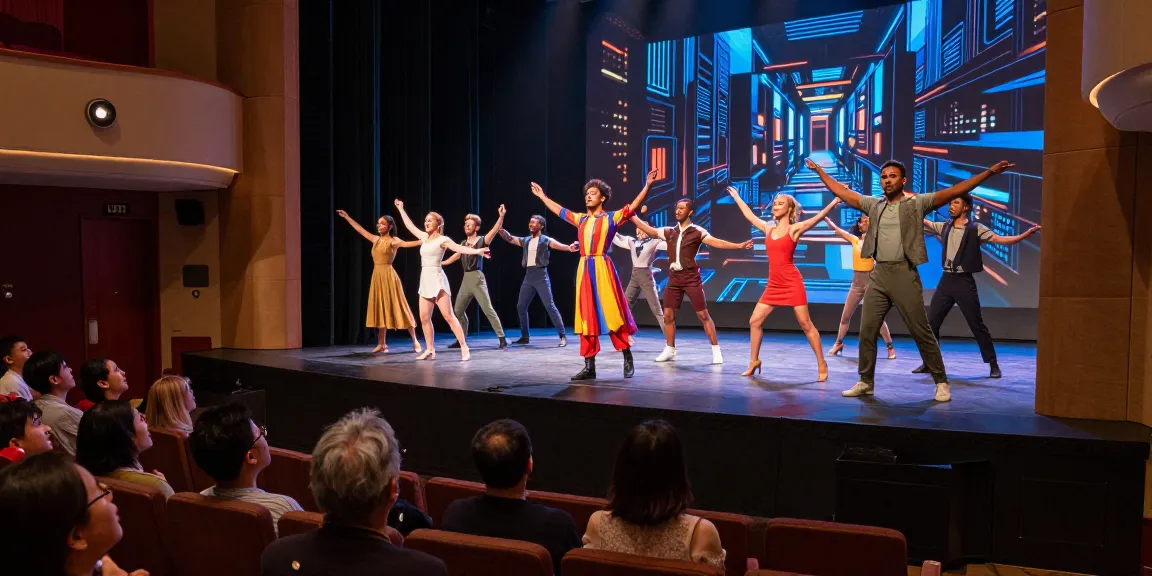
The Evolution of Modern Theatre
The world of theatre has undergone significant transformations over the decades, continually adapting to societal changes, technological advancements, and cultural shifts. As we venture deeper into the 21st century, modern theatre is no longer confined to traditional stages; it has evolved into a dynamic medium that embraces various artistic expressions and innovative formats. This evolution reflects broader trends within entertainment and culture, making platforms such as https://www.nordicatheatre.com invaluable for enthusiasts seeking insightful information about contemporary theatre practices.
History and Influence of Theatre Forms
To understand modern theatre, it is essential to explore its historical roots. Theatre dates back to ancient Greece, where drama was not only an entertainment form but also a vital aspect of religious and social life. Over time, theatre evolved to include various forms, such as musicals, operas, and contemporary performances that blend multimedia art.
The 20th century was particularly pivotal, marked by movements such as realism, absurdism, and postmodernism, each leaving a distinct mark on theatrical narratives. Modern playwrights are influenced by these historical movements, often merging traditional forms with contemporary themes, reflecting current societal issues.
Current Trends in Performance Arts
Contemporary theatre is characterized by the blurring of genres. For instance, the integration of digital technologies has birthed new forms of storytelling, such as virtual reality performances and immersive theatre experiences. The rise of streaming platforms presents opportunities for theatre companies to reach broader audiences, transcending geographical limitations.
Additionally, inclusive practices are gaining momentum, with a focus on representation across gender, ethnicity, and abilities. These changes not only enrich the narrative landscapes of modern theatre but also foster a sense of community among diverse audiences.
Impact of Digital Technology on Theatre
Digital technology has dramatically transformed how theatre is created, distributed, and experienced. The COVID-19 pandemic accelerated the adoption of online performances, forcing many theatres to pivot to digital formats. Today, streaming services host recorded performances, enabling audiences worldwide to enjoy theatre from their homes.
Moreover, social media platforms have become essential for marketing and audience engagement, allowing theatre companies to connect with potential viewers in innovative ways. This shift toward digital not only opens new revenue streams but also democratizes access to performances, making theatre an accessible art form for all.
Exploring Cultural Significance
Theatre serves as a mirror reflecting societal values, conflicts, and aspirations. It is a powerful medium through which cultural narratives are communicated and explored. In today’s globalized world, theatre’s role extends beyond mere entertainment; it actively participates in cultural dialogues, shaping perceptions and attitudes.
Understanding Contemporary Cultural Narratives
Modern theatre often grapples with themes such as identity, migration, and social justice. Playwrights draw from personal and collective experiences, crafting narratives that resonate with audiences and provoke thought. By addressing pressing issues, theatre not only entertains but also enlightens its viewers, encouraging them to engage critically with the world around them.
Theatre’s Role in Social Commentary
Throughout history, theatre has been a platform for social commentary. From Shakespeare’s critiques of power to Artaud’s Theatre of Cruelty, the art form has continuously challenged societal norms. Today, contemporary playwrights and productions reflect the complexities of modern life, often sparking conversations about systemic inequalities, climate change, and human rights.
Global Influences on Local Productions
Theatre is increasingly influenced by global narratives and cross-cultural collaborations. Many modern productions draw on diverse artistic traditions, incorporating elements from various cultures to create hybrid performances that resonate with a global audience. This fusion not only enriches the theatre experience but also fosters mutual understanding and respect among cultures.
Best Practices for Enhancing Audience Engagement
As the landscape of theatre continues to evolve, ensuring meaningful audience engagement remains a priority for practitioners. Engaging audiences effectively can enhance enjoyment and foster deeper connections with the material presented on stage.
Interactive Elements in Theatre Productions
Incorporating interactive elements into productions can significantly enhance audience participation. Techniques such as audience voting on plot outcomes or integrating social media interactions during performances create immersive experiences that captivate viewers. Engaging the audience in this manner fosters a sense of ownership and emotional investment in the narrative.
Utilizing Social Media for Promotion
Social media platforms are powerful tools for promoting theatre productions. By leveraging platforms like Instagram, Twitter, and TikTok, theatre companies can share behind-the-scenes content, cast interviews, and highlight performances to reach a broader audience. Effective social media strategies can build anticipation and cultivate a community of engaged followers.
Creating Community Involvement through Workshops
Workshops and community events can bridge the gap between theatre artists and audiences, fostering a sense of community engagement. By offering educational opportunities or participatory events, theatre companies can invite community members to explore the creative process, making the art form more accessible and relatable.
Case Studies in Successful Modern Productions
Understanding successful modern productions can provide valuable lessons for aspiring theatre practitioners. Notable examples demonstrate innovative approaches to storytelling, design, and audience engagement that have redefined the theatrical experience.
Analysis of Groundbreaking Theatre Performances
Productions such as “Hamilton,” “The Lion King,” and “Sleep No More” have set new standards for theatrical innovation. Each of these shows employed unique storytelling techniques, integrated music and choreography seamlessly, and created immersive environments that engaged audiences in novel ways.
Lessons from Successful Theatre Companies
The success of certain theatre companies stems from their commitment to artistic risk-taking and community involvement. For instance, the Public Theater in New York City actively promotes diverse narratives and often sponsors free performances, engaging a wider audience and creating a loyal following.
Innovative Stage Designs that Captivated Audiences
Stage design plays a crucial role in modern theatre, influencing how audiences perceive and experience a performance. Innovative designs, such as the revolving stage used in “Les Misérables” or the minimalist style of “The Encounter,” can enhance storytelling and immerse viewers in the narrative world, making the visual experience just as impactful as the performances themselves.
Future Trends and Predictions for 2026
As we look toward the future, various trends are likely to shape the landscape of theatre in the coming years. The convergence of technology and traditional theatre forms, alongside evolving audience expectations, will play a significant role in the evolution of this art form.
Emerging Technologies in Performance Arts
The integration of emerging technologies, such as augmented reality (AR) and artificial intelligence (AI), is set to redefine the theatre experience. These technologies can create interactive environments that adapt to audience responses, making performances more personalized and engaging.
Sustainability Practices in Theatre Production
As environmental awareness grows, many theatre companies are adopting sustainable practices in production. From eco-friendly set designs to reducing waste during performances, sustainability will become a priority for modern theatre, aligning with global efforts to combat climate change.
Potential Shifts in Audience Demographics
Future theatre audiences are likely to be more diverse and tech-savvy, influencing how theatres market and produce shows. Understanding the preferences and interests of younger generations will be essential for theatre companies aiming to remain relevant in an increasingly competitive entertainment landscape.
What are the Key Insights for a Changing Landscape?
As theatre adapts to changing cultural landscapes, key insights include the importance of flexibility, inclusivity, and innovation. Embracing diverse voices and experimental approaches can lead to richer narratives and broaden audience engagement, ensuring the art form’s relevance for future generations.
How can Theatre Adapt to New Consumer Behaviors?
Theatre must continue to evolve, incorporating feedback from its audiences and staying attuned to new consumer behaviors. This may involve rethinking ticket pricing strategies, enhancing online experiences, and creating flexible viewing options that cater to various audience preferences.