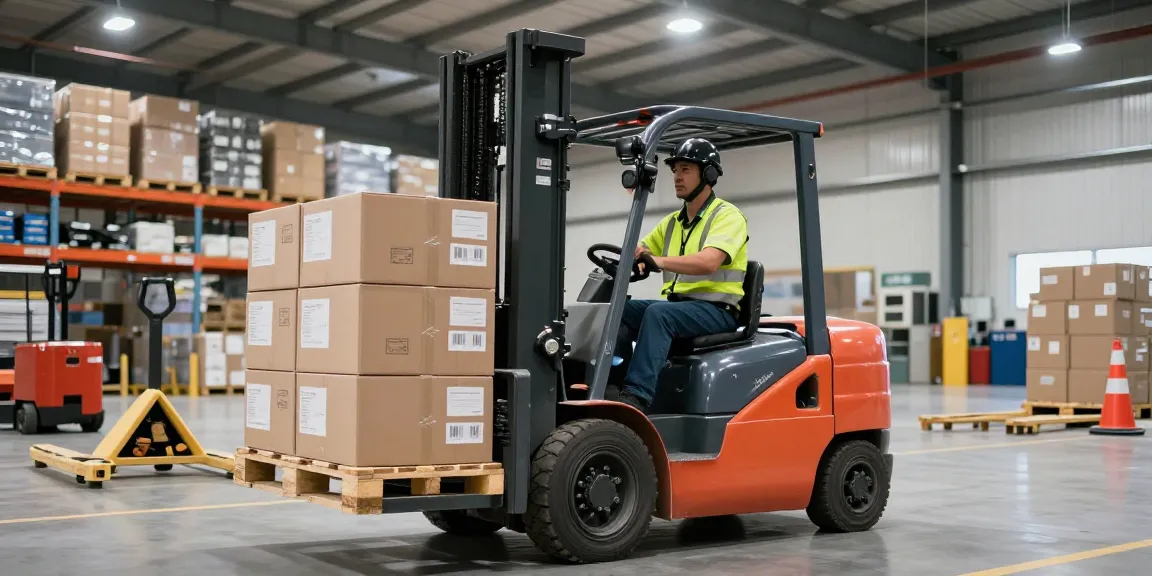
Understanding the Value of Electric Forklifts
In the rapidly evolving landscape of material handling solutions, electric forklifts have emerged as a cornerstone of modern warehouse operations. These versatile machines not only boost productivity but also contribute to sustainability efforts across various industries. As businesses increasingly seek efficient and eco-friendly options, the demand for electric forklift for sale has surged, reflecting a notable shift in operational strategies.
What is an Electric Forklift?
An electric forklift is a powered industrial truck that uses electricity stored in batteries to lift and move materials. Unlike their internal combustion counterparts, electric forklifts produce zero emissions, making them suitable for indoor environments where air quality is a concern. They come in various models and configurations, including counterbalance forklifts, reach trucks, and pallet jacks, each tailored for specific lifting and maneuvering tasks.
Advantages of Electric Over Diesel Forklifts
Electric forklifts offer several advantages over traditional diesel models:
- Environmentally Friendly: With zero emissions, electric forklifts help companies reduce their carbon footprint and improve indoor air quality.
- Lower Operating Costs: Electric models generally have lower fuel and maintenance costs compared to diesel forklifts, leading to significant long-term savings.
- Quieter Operation: The quieter operation of electric forklifts can create a more pleasant working environment, especially in noise-sensitive areas.
- Enhanced Performance: Electric forklifts often provide smoother acceleration and better torque, enhancing operational efficiency.
Cost-Benefit Analysis: Initial Investments vs. Long-Term Savings
While the upfront cost of electric forklifts can be higher than that of diesel options, businesses should consider the long-term savings on fuel, maintenance, and operational costs. Over time, the total cost of ownership for electric forklifts tends to be lower, making them a smart investment for warehouses looking to optimize their operations and minimize expenses.
Choosing the Right Electric Forklift for Your Needs
Selecting the right electric forklift is crucial to maximizing efficiency and safety in your operations. Various factors should be considered in the selection process to ensure you choose equipment that best suits your specific requirements.
Key Specifications to Consider
When evaluating electric forklifts, consider the following specifications:
- Load Capacity: Assess the maximum weight your forklift will need to lift.
- Lift Height: Determine the height you’ll need to operate at, as different models offer varying lift heights.
- Turning Radius: Ensure the forklift can navigate your warehouse layout effectively.
- Battery Life: Look for models with batteries that provide sufficient runtime for your operations.
Common Misconceptions About Electric Forklifts
Despite the many advantages, some misconceptions persist about electric forklifts. Common myths include concerns about their lifting power and battery life, which have both significantly improved with advancements in technology. Understanding these realities can help businesses make informed decisions when considering electric solutions.
Assessing Warehouse Environment and Layout
Your warehouse layout plays a significant role in selecting the right electric forklift. Consider aisle widths, shelf heights, and available surface areas for maneuvering. Understanding your unique environment is essential to ensure safety and operational efficiency.
Top Electric Forklifts on the Market in 2026
As the electric forklift industry continues to innovate, numerous models stand out for their performance and reliability. In 2026, the following are among the top options available:
Overview of Leading Brands and Models
Brands like Toyota, Hyster, and Crown lead the market with robust and reliable electric forklifts. For example, the Toyota Core Electric Forklift combines advanced technology with user-friendly functionality, making it a top choice for many operations.
Battery Technology and Performance Comparison
The performance of electric forklifts heavily relies on battery technology. Lithium-ion batteries are becoming increasingly popular due to their longer lifespans and faster charging capabilities compared to traditional lead-acid batteries, leading to enhanced operational efficiency.
User Experiences and Ratings
User feedback is invaluable when selecting electric forklifts. Many operators praise the ease of use, maneuverability, and quiet operation of newer electric models, affirming their place as dependable solutions within warehouses and industrial environments.
Best Practices for Operating Electric Forklifts
Proper operation of electric forklifts is crucial for maintaining safety and efficiency in the workplace. Here are key practices to follow:
Essential Safety Guidelines for Operators
Operators should undergo comprehensive training that includes familiarization with the specific forklift model being used. Adhering to safety protocols, such as wearing proper personal protective equipment (PPE) and conducting pre-operation checks, is essential for minimizing accidents.
Maintenance Tips for Longevity
Regular maintenance is vital to extend the lifespan of electric forklifts. This includes:
- Routine inspections of brakes, steering, and other critical components.
- Keeping batteries charged and terminals clean.
- Following manufacturer recommendations for service intervals.
Training Programs for Staff Efficiency
Investing in training programs ensures that all operators are skilled and knowledgeable. Regular re-training sessions can also help keep staff updated on best practices and safety procedures.
Future Trends in Electric Forklift Technology
The electric forklift market is undergoing rapid changes driven by technological advancements and a growing focus on sustainability. Here are some trends to watch for in the coming years:
Emerging Innovations in the Industry
Innovations like automated guided vehicles (AGVs) and integration with smart warehouse systems are on the rise. These advancements can lead to increased efficiency and reduced labor costs in warehouses.
How Sustainability is Shaping Electric Forklift Design
As companies emphasize eco-friendliness, manufacturers are focusing on designing forklifts that utilize sustainable materials and energy-efficient technologies. Future models are likely to offer even less environmental impact.
Predictions for the Electric Forklift Market by 2028
Market experts project significant growth in electric forklift adoption by 2028, driven by advancements in technology and a continuous push for sustainability in operations. Companies that adapt early will likely lead their industries.
What are the advantages of electric forklifts?
Electric forklifts offer lower emissions, quieter operation, and reduced operating costs. They are particularly suited for indoor use where air quality is a priority.
How do I choose the right electric forklift?
Consider factors such as load capacity, lift height, battery life, and the specific layout of your warehouse when selecting an electric forklift.
What maintenance is required for electric forklifts?
Regular maintenance includes battery checks, brake inspections, and general upkeep to ensure all components are functioning properly and safely.
What features should I look for in a new electric forklift?
Look for features like advanced battery technology, ergonomic design, and safety enhancements to improve efficiency and operator comfort.
Are there safety regulations for operating electric forklifts?
Yes, operators must adhere to OSHA safety regulations and participate in training programs to ensure compliance with safety standards.