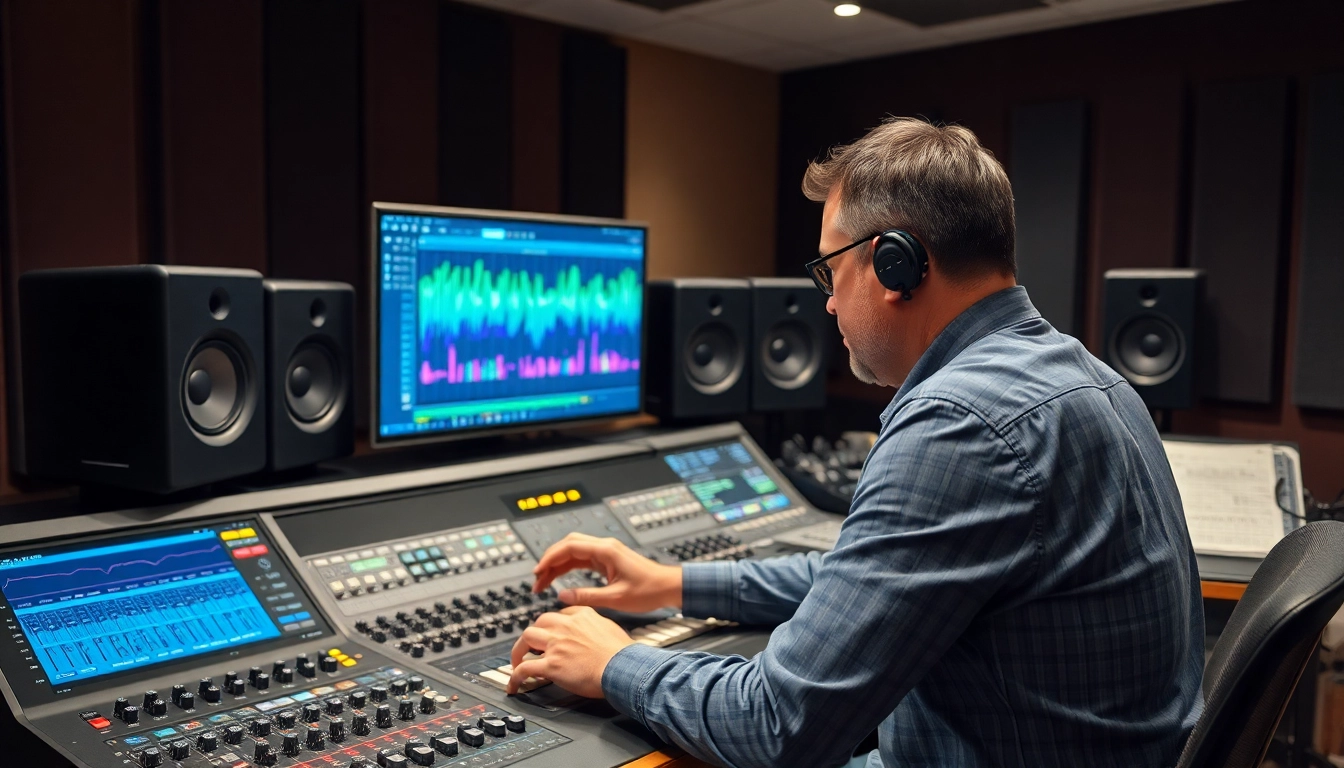
Introduction to Online Audio Mastering
What is Online Audio Mastering?
Online audio mastering is the final step in the music production process, where the mixed tracks are fine-tuned for distribution across various platforms. This process ensures that your music sounds polished and consistent, enabling it to stand out in competitive markets. The beauty of online audio mastering lies in its accessibility; artists and producers can harness professional-quality tools from the comfort of their home studios, often at a fraction of the cost of traditional mastering services.
Importance of Mastering in Music Production
Mastering plays a crucial role in music production. It is more than simply adjusting levels; it ensures that tracks can be universally enjoyed across various playback systems, such as headphones, smartphones, and high-end audio systems. A well-mastered track has clarity, balance, and a coherent sound that holds together throughout different musical elements. Without mastering, even the most polished mixes can fall flat, lacking the necessary depth and power to engage listeners genuinely.
Overview of the Mastering Process
The mastering process typically involves several steps that focus on enhancing the final mix. These include equalization (EQ) to balance frequencies, dynamic range compression to control peaks and maintain punch, limiting to ensure the track reaches the desired loudness, and sometimes adding subtle effects to enhance the overall sound. It’s a meticulous process, often requiring multiple listening sessions to achieve the desired results.
Key Techniques for Effective Online Audio Mastering
Dynamic Range Compression
Dynamic range compression is a fundamental technique used in mastering to achieve a controlled dynamic range. This involves reducing the volume of the loudest parts of the track while boosting the quieter sections, resulting in a more consistent level. Proper use of compression can help tracks maintain their energy without becoming overly squashed. Over-compression can lead to a loss of dynamics, making the track sound lifeless.
Equalization Strategies
Equalization (EQ) strategies are vital for mastering. They help in shaping the overall tonal balance of your track. This could involve cutting unwanted frequencies, such as low-end rumble or harsh highs, and enhancing certain areas to make elements more pronounced. Applying EQ can make a track sound warmer or brighter, depending on the desired effect. Skilled use of EQ ensures that the track translates well across different playback systems.
Limiting and Clipping Methods
Limiting and clipping are used in the mastering stage to maximize the loudness of a track without distorting the audio. A limiter prevents peaks from exceeding a certain threshold, while clipping introduces a form of controlled distortion that can add warmth and character. It is essential to use these techniques sparingly to avoid distracting artifacts. Achieving the right loudness level while preserving quality is a balancing act and critical component of mastering.
Choosing the Right Tools for Online Audio Mastering
Software Options for Mastering
The software you choose for online audio mastering can significantly impact the final product. Digital Audio Workstations (DAWs) and dedicated mastering software offer various features that cater to different aspects of the mastering process. Commonly used tools include Izotope Ozone, Waves plugins, and LANDR. These programs provide powerful capabilities for EQ, dynamics, and other mastering processes, allowing users to achieve professional results regardless of experience level.
Hardware Considerations
While software plays a crucial role, hardware cannot be neglected. High-quality audio interfaces, monitors, and headphones ensure accurate sound reproduction. When selecting hardware for mastering, prioritize transparency and fidelity to hear details in your mix. Consistency in monitoring is vital; using reliable equipment can substantially influence mastering decisions and ultimately the quality of the final track.
Plugins to Enhance Your Master
Plugins are essential in the mastering toolkit, offering processors for compression, limiting, saturation, and more. The right combination of plugins can creatively shape the sound of your music. Look for plugins that emulate analog gear, as these often add warmth and richness to the final sound. Some well-regarded options include FabFilter Pro-L, Waves L2 Ultra Maximizer, and Soundtoys Decapitator, each offering distinct characteristics that enhance the mastering process.
Common Mistakes in Online Audio Mastering
Over-Compression Pitfalls
Over-compression is one of the most common mistakes in online audio mastering. While it can enhance loudness, excessive compression can strip a track of its dynamics and energy. To avoid this pitfall, use compression judiciously, ensuring that the track retains its emotional impact. Listening on various systems can help identify whether the balance of compression is appropriate.
Neglecting Reference Tracks
Using reference tracks is crucial in mastering, yet many skip this step. Reference tracks provide a benchmark to gauge your mix against professional standards. They can help identify tonal balance and loudness levels. When choosing reference tracks, select ones that are similar in genre and style to your work, allowing you to maintain cohesiveness in your mastering process.
Ignoring Different Playback Systems
Overlooking how a track will sound on different playback systems can lead to a poor listening experience. It’s vital to test your master on various devices, from headphones to car speakers. This ensures that your music translates well across different environments. A track that sounds great on high-end monitors may need adjustments to work on smaller, less capable speakers.
Final Steps in the Online Audio Mastering Process
Preparing Files for Distribution
Preparing files for distribution is the final phase of the mastering process. This entails exporting your master in the required formats, which may include WAV for digital services and MP3 for streaming platforms. Ensure that the metadata is correctly inputted; this includes track titles, artist names, and artwork, which are crucial for correct identification across platforms.
Quality Checks and Listening Tests
Before finalizing any master, conduct thorough quality checks and listening tests. This means checking for any possible clipping, ensuring proper volume levels, and verifying that the mix translates as intended on different systems. Take time to listen critically over several sessions, as fresh ears can often catch what might have been overlooked during earlier sessions.
Understanding Mastering Formats
Understanding the various mastering formats is essential for effective distribution and playback. Different platforms may require specific formats or specifications, such as loudness normalization for streaming services or specific sample rates for vinyl mastering. Familiarize yourself with these requirements to ensure your music is prepared correctly for every outlet and audience.
Frequently Asked Questions
What is audio mastering?
Audio mastering is the final stage of music production, where the mixed track is polished and prepared for distribution across various platforms.
Can I master my own music online?
Yes, many tools and services are available allowing musicians to master their music online, providing professional-quality results.
How long does the mastering process take?
The mastering process can vary greatly, typically taking anywhere from a few hours to several days, depending on complexity and revisions.
What are the key elements of mastering?
The key elements of mastering include dynamic range control, equalization, limiting, and ensuring the mix translates well on different playback systems.
Do I need professional help for mastering?
While professional help can provide quality results, many artists successfully master their music using available online tools and resources.